Pomeranian Puppy Socialization and Early Training Foundations
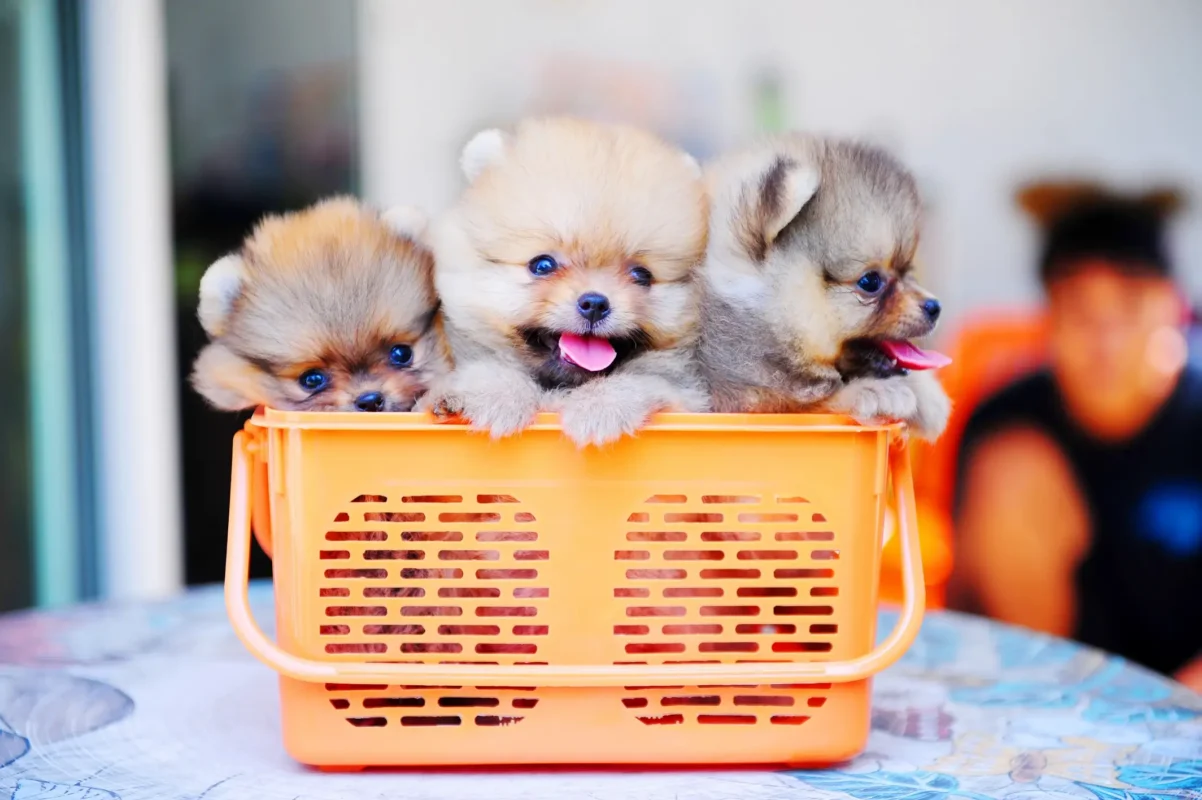
Pomeranian puppy socialization means helping a puppy form safe, positive associations with people, places, surfaces, sounds, handling, and other animals. The goal is familiarity and recovery, not exposure for its own sake. A puppy who freezes, hides, avoids contact, or cannot take food may need more distance and a slower plan.
Work within the early learning period
The American Veterinary Society of Animal Behavior identifies the first three months as an important socialization period. The organization supports safe socialization before a puppy has completed the full vaccination series, with disease-risk precautions and veterinary guidance.
Ask your veterinarian which environments and puppy classes make sense for your puppy’s vaccination status, health, location, and exposure risk. Avoid dog parks and heavily trafficked areas used by dogs of unknown health status during this stage.
Make each experience small enough to process
Introduce one change at a time. A puppy might hear a household appliance from across the room, walk on a new surface, watch a person wearing a hat, or receive a short handling session. Pair the experience with food, play, distance, or an easy exit.
Watch body language. Loose movement, curiosity, and the ability to disengage suggest the puppy can cope. Persistent avoidance, trembling, frantic movement, growling, or a refusal to recover calls for more distance and professional guidance.
Use reward-based training
Reward the behaviors you want to see, such as checking in with you, approaching calmly, following a lure, resting on a mat, or entering a crate. Keep sessions brief and end before the puppy loses focus.
AVSAB recommends reward-based methods for dog training. Punishment can add fear to a new situation and does not teach the puppy which behavior will work instead. A qualified trainer can help you build a plan around reinforcement and management.
Include handling and grooming foundations
Touch the puppy’s paws, ears, chest, and mouth area in short steps while pairing the contact with a reward. Introduce the brush, comb, collar or harness, and examination positions without forcing the puppy to remain still for long periods.
These exercises can support future grooming and veterinary care, but they do not replace professional handling when the puppy needs treatment or coat work.
Choose puppy classes with care
Ask how the instructor checks vaccination records, cleans the space, manages puppy interactions, prevents bullying, and responds to fear. A good class should provide controlled learning rather than unrestricted play. Puppies differ in size, confidence, and play style, so instructors need a plan for separating or redirecting them.
Continue after the first weeks
Social learning continues as the puppy grows. Repeat useful experiences at a level the puppy can handle, and expect responses to change during development. Contact a veterinarian or credentialed behavior professional if fear, aggression, or sudden behavior changes appear.
Sources and further reading
- American Veterinary Society of Animal Behavior: Position Statements
- American Veterinary Medical Association: Selecting a Pet Dog
- American Kennel Club: Pomeranian Breed Information
Old Pine puppy profiles describe current observations rather than promising adult temperament. Start with the available puppy profiles and ask current questions in the inquiry.