Questions to Discuss With Your Veterinarian About a Pomeranian Puppy
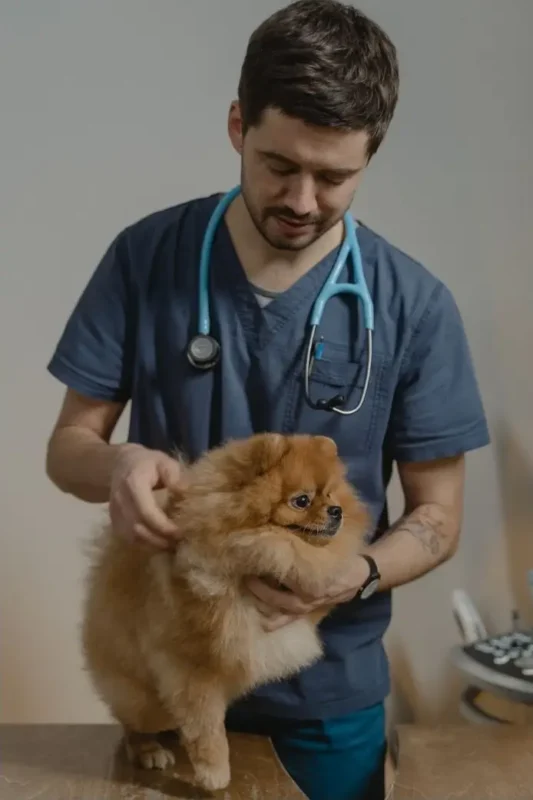
A prepared question list can help you use a Pomeranian puppy’s first veterinary appointment well. Bring the puppy’s health, vaccination, deworming, microchip, and feeding records, along with the written agreement and notes about appetite, sleep, stool, behavior, or anything else you have observed.
What preventive-care schedule fits this puppy?
Ask the veterinarian to review each record and identify what has been given, what remains due, and which dates matter. Vaccination recommendations depend on the puppy’s age, prior history, lifestyle, location, and health. The American Animal Hospital Association’s canine vaccination guidelines distinguish vaccines recommended for all dogs from vaccines selected according to individual risk.
Ask about parasite prevention, testing, and follow-up based on local exposure and the puppy’s history. The clinic should set the plan rather than a general website article.
Does the puppy’s growth and diet need any changes?
Bring the name of the food, amount offered, meal schedule, treats, and any supplements. Ask how the clinic wants you to monitor body condition and growth. Discuss changes before switching food or adding supplements.
If the puppy has reduced appetite, vomiting, diarrhea, coughing, unusual tiredness, pain, or another concerning sign, tell the clinic when it started and how often it occurs. Contact the clinic before the scheduled appointment if the symptom may require prompt care.
How should we manage exercise and household risks?
Describe stairs, furniture, flooring, children, resident pets, outdoor space, and the walking setup you plan to use. Ask about safe activity for the puppy’s current age and body. The AKC notes that Pomeranians need close supervision outdoors and that their small size calls for care around uncontrolled dogs and escape gaps.
Which grooming and dental habits should begin now?
Ask the veterinary team to check the skin, coat, ears, nails, and mouth. Request a demonstration of safe tooth brushing and nail care if the clinic provides it. Discuss signs that should prompt an examination instead of routine grooming.
What socialization settings make sense right now?
Share the puppy’s vaccination record and the environments you want to use, including puppy class, family visits, neighborhood walks, grooming appointments, or travel. Ask how to reduce disease exposure while providing appropriate learning experiences.
The American Veterinary Society of Animal Behavior supports safe early socialization and reward-based training. Your veterinarian can apply that guidance to local disease risk and the individual puppy.
What should count as an emergency?
Ask for the clinic’s daytime number, after-hours process, nearest emergency facility, and instructions for urgent concerns. Save those contacts before you need them. Request guidance on signs that require immediate care and what information the clinic wants when you call.
What records should we maintain?
Keep the veterinary report, vaccination record, prescriptions, test results, microchip information, receipts, and written instructions together. Follow any notice requirements and deadlines in the applicable purchase documents. Website education does not replace those documents or the veterinarian’s assessment.
Sources and further reading
- American Animal Hospital Association: Canine Vaccination Guidelines
- American Veterinary Medical Association: Selecting a Pet Dog
- American Veterinary Society of Animal Behavior: Position Statements
- American Kennel Club: Pomeranian Breed Information
For an Old Pine puppy, read the full Health Guarantee before the appointment so you understand the examination window and other written responsibilities.